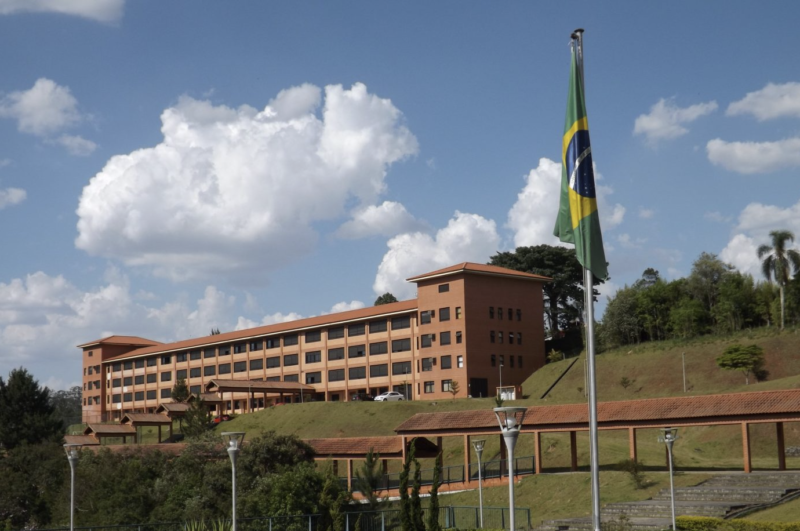
The rector, Fr. Robson Ronchi, L.C., recalls the origin of the formation house, highlights the pillars of integral formation and points out the fruits of a trajectory marked by vocational discernment, community life and service to the Church.
A story born from a request by the Church in Brazil
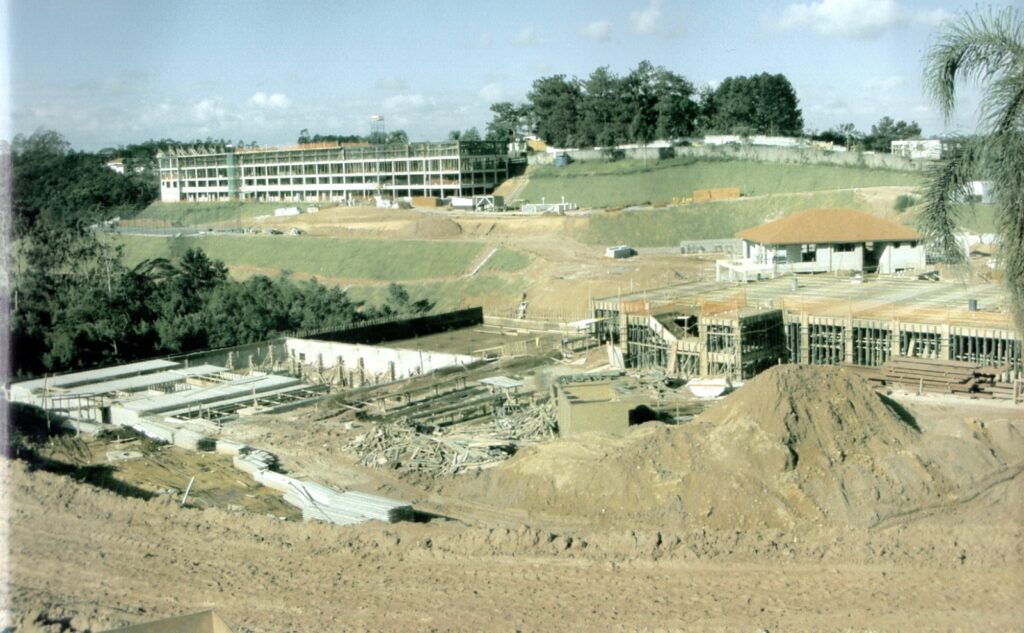
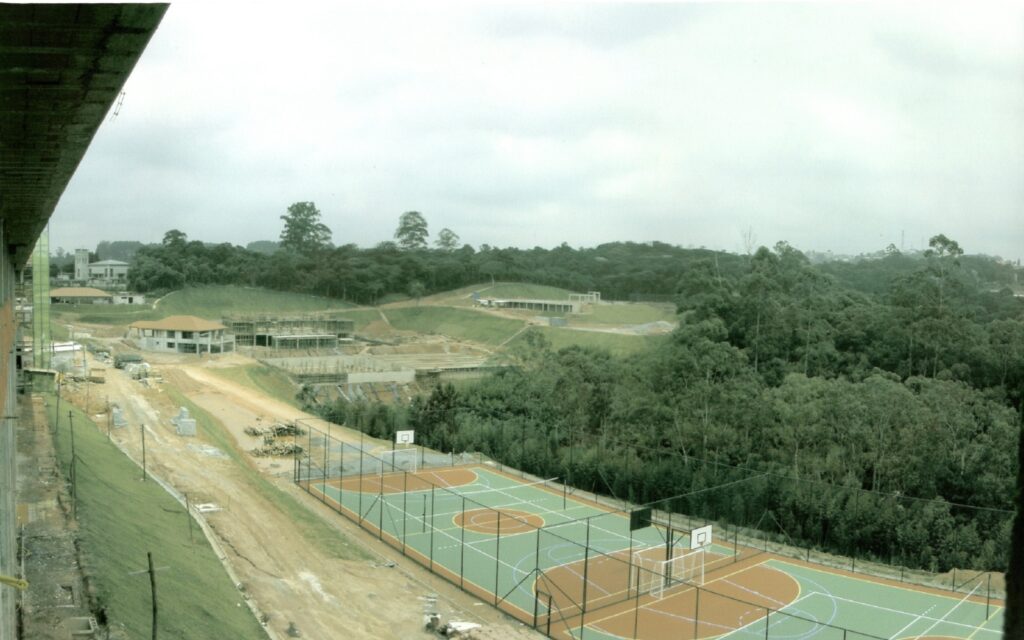
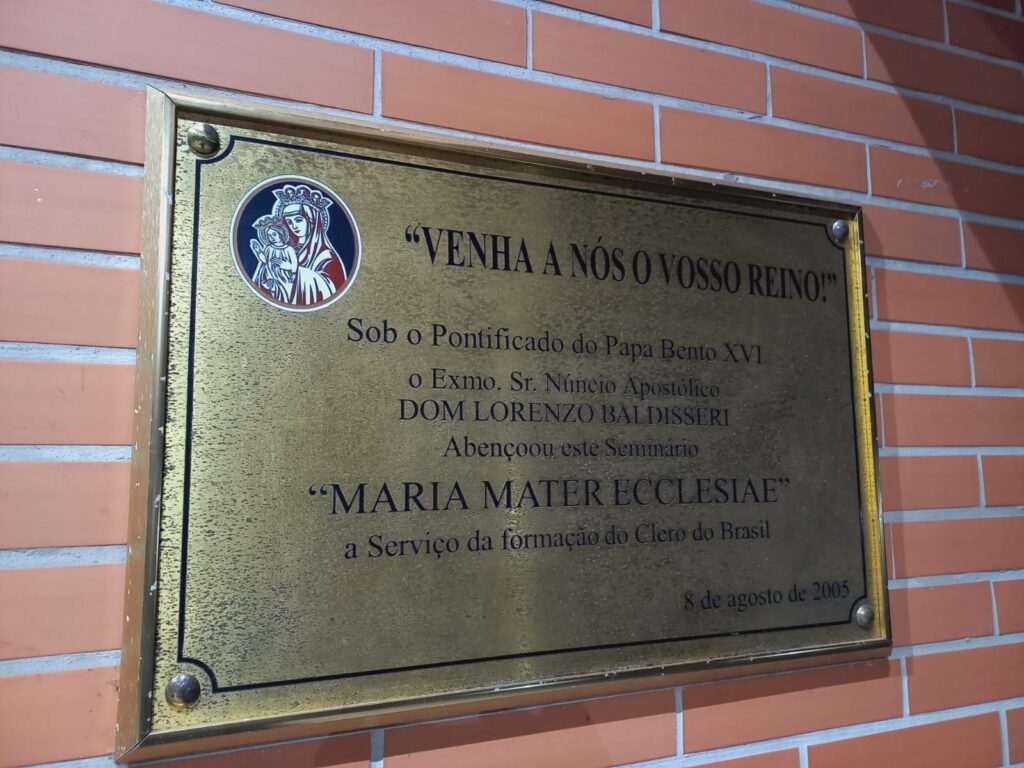
Founded on March 25, 2000, the Maria Mater Ecclesiae Seminary arose in response to the request of a large group of bishops from Brazil, who were seeking solid and deep formation for their seminarians. The initiative was promoted by the Primate Archbishop of Brazil, Cardinal Lucas Moreira Neves. Over the course of 26 years, the seminary has established itself as a space to support vocational discernment and the formation of clergy, with a special focus on the preparation of trainers for local seminaries.
According to Fr. Robson Ronchi, LC, the institution’s original purpose remains fully relevant: to offer formation that responds to the needs of the Church in the country. “We have observed that, over the years, many bishops have been able to prepare their teams of formators for their own local seminaries, as a result of the support we offer in formation,” he stated.
Integral formation: human, spiritual, intellectual and apostolic
Mater Ecclesiae’s educational approach is based on a holistic vision of the person, encompassing human, spiritual, intellectual, and apostolic dimensions. In human formation, the rector emphasizes three fundamental elements: personal accompaniment, self-formation, and fraternal life in community. For him, formation must spring from within and not simply be imposed from without. “Formation should not be something imposed from the outside, but rather something that arises from within, from a very personal experience and response to God’s call,” he explained.
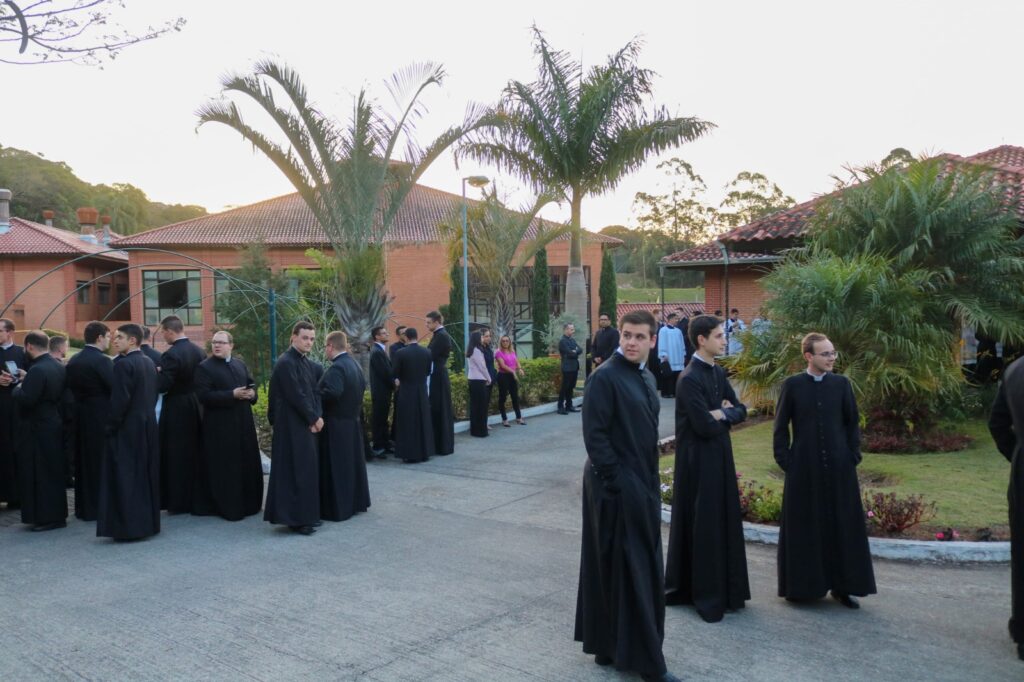
Community life is presented as a true school of coexistence, openness, and charity. In their daily lives, seminarians learn to face challenges, conflicts, and differences, as well as grow in dedication and the virtues necessary for priestly life.
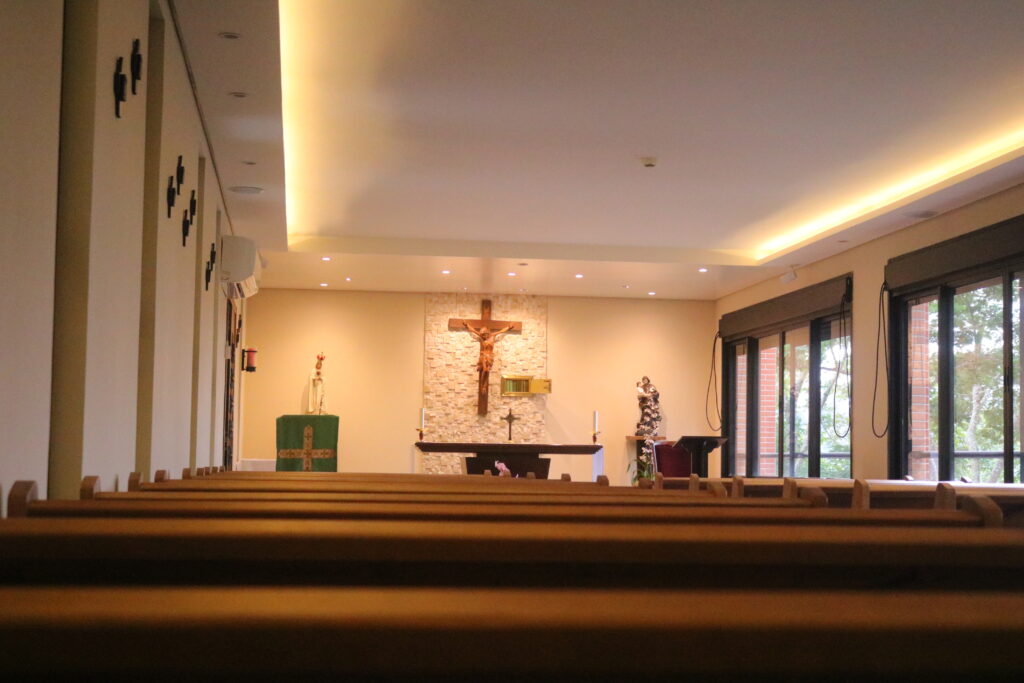
In the spiritual dimension, Christocentrism is the central element. The goal is to lead each seminarian to a personal encounter with Christ, fostering discipleship and the constant pursuit of becoming like Him.
In intellectual formation, the seminary seeks to prepare priests capable of facing the challenges of the present with depth and balance, seeking the truth, fidelity to the Magisterium of the Church and an integral vision of the human person.
Apostolic formation also plays a crucial role. Inspired by the model of Christ the Good Shepherd, it begins gradually in the first year of philosophy studies, with pastoral activities focused on the works of mercy, such as visits to nursing homes, addiction rehabilitation centers, and door-to-door missions. In the second year, the seminarians serve in parishes, bringing with them the same principles of service and mercy. “These experiences aim to sensitize the seminarians to the realities of suffering and even abandonment that many people face, and to help them discover Christ himself in these people,” the rector stated.
The Legionary charism, the challenges of secularization, and vocational witness
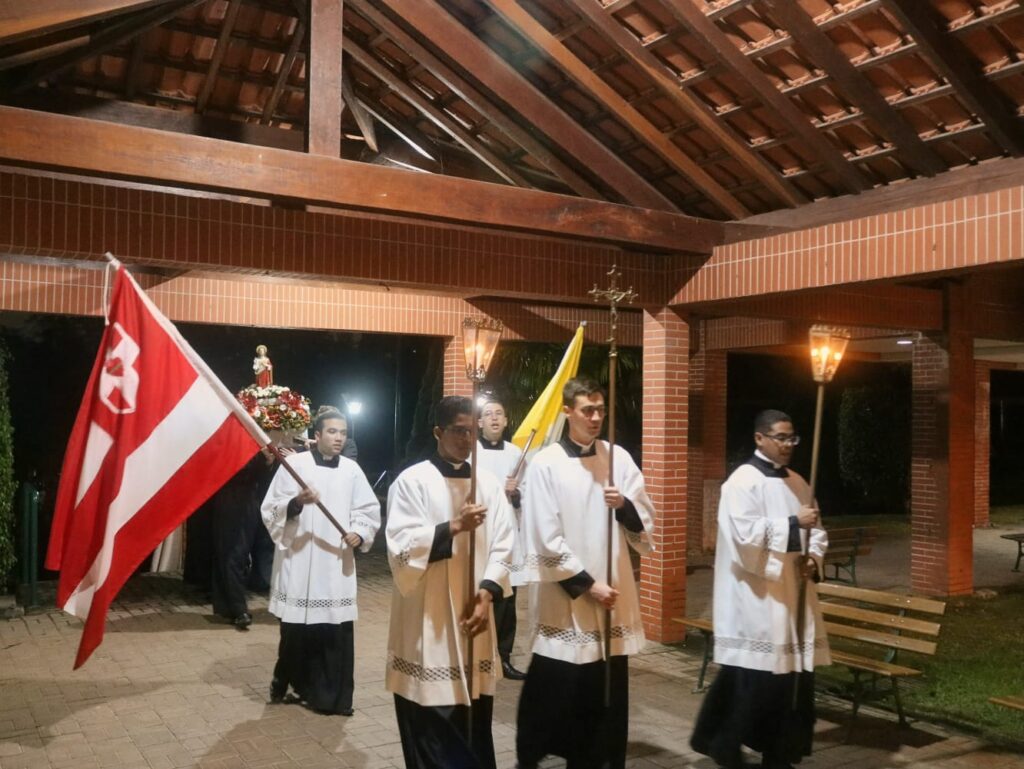
The Legionary charism, centered on love for Christ, evangelization, and the formation of apostles, is present in the daily life of the house. For the Legionaries serving there, the mission is to form future “other Christs” who will bring the Good News to souls. For the seminarians, spiritual and communal means, such as Eucharistic adoration, the sacraments, preaching, and fraternal charity, become a path to grow in love for Christ and apostolic zeal.
In a cultural context marked by secularization, a crisis of confidence in institutions, and rapid social change, Father Robson points out that one of the greatest challenges is to reveal “the grandeur and beauty of Truth” and convince young people that Christ is truly the answer to their anxieties and wounds. Another important aspect is to bear witness, through one’s own life, that vocation is God’s work and not merely a personal project.
One of the great challenges is to show the greatness and beauty of the Truth and to convince young people that Christ is truly the answer to their anxieties and wounds.
The coexistence of Legionary and diocesan seminarians, who have shared the same residence for the past three years, has been seen as a mutually enriching experience. While the novices have direct contact with diocesan life, the diocesan seminarians gain firsthand experience of religious life in its initial stages, in an exchange marked by respect and reciprocal learning.
26 years of training and service in vocational discernment
Throughout its history, Mater Ecclesiae has trained 1,009 seminarians. Currently, there are 51 seminarians from six dioceses in Brazil. In total, seminarians from 36 dioceses across the country have passed through the seminary, and approximately 370 have been ordained priests.