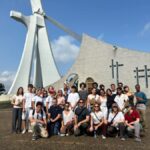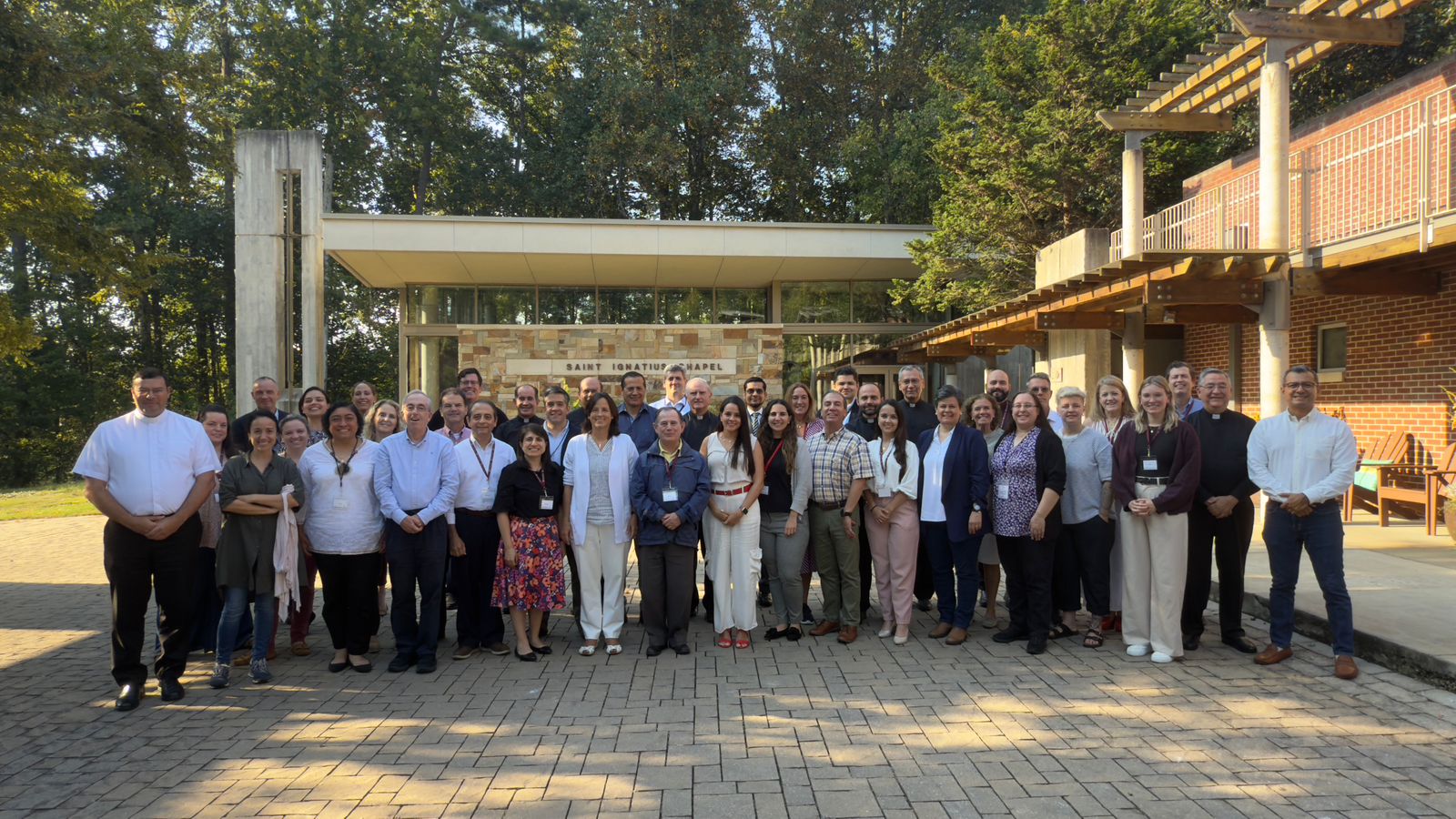
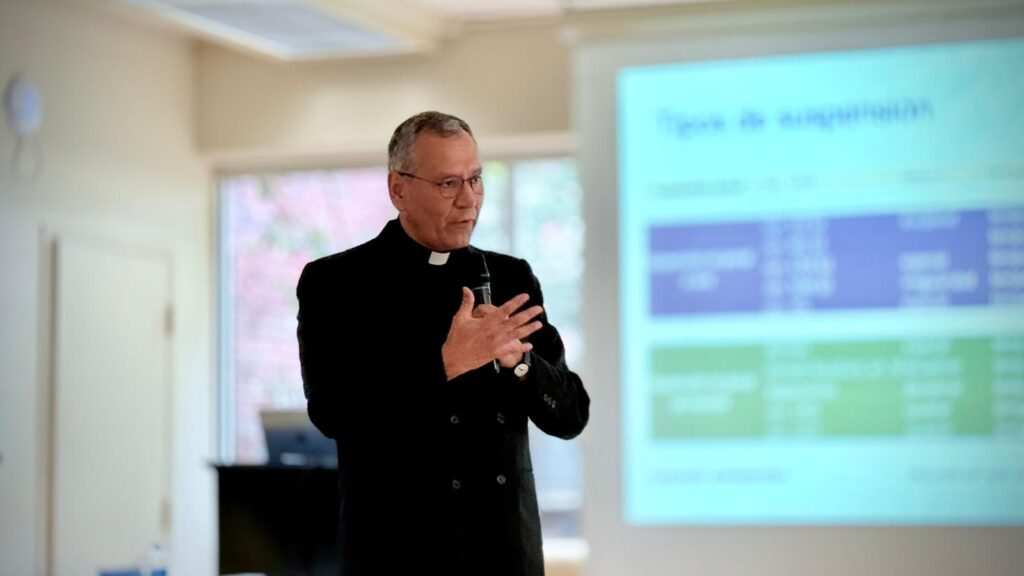
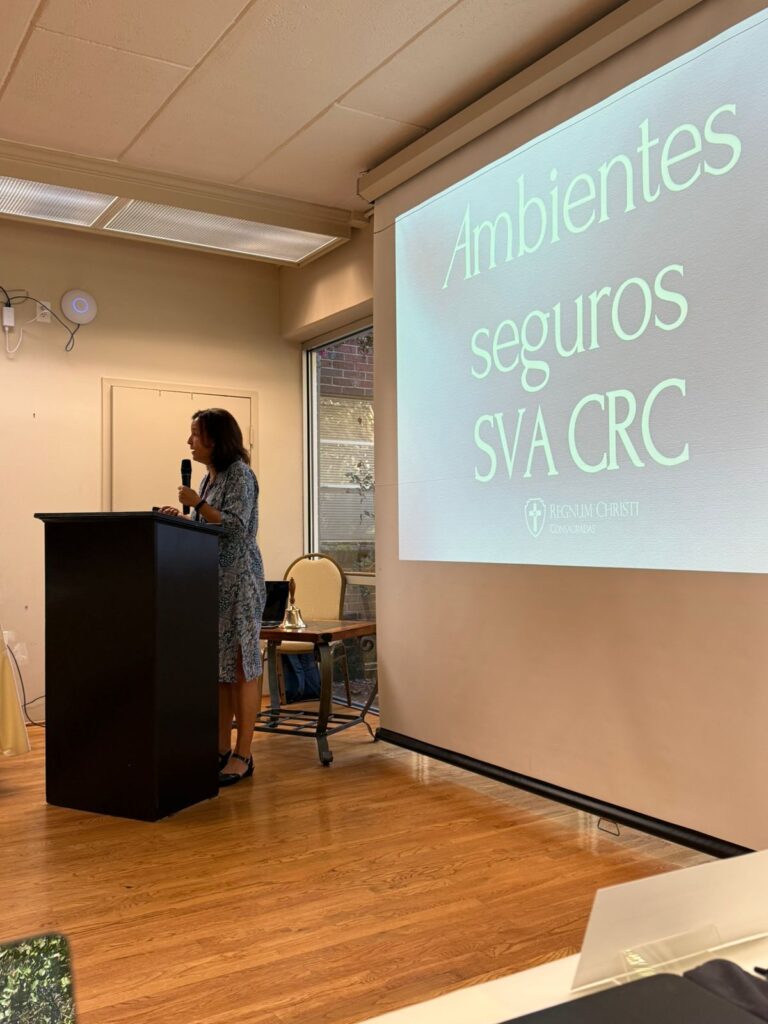
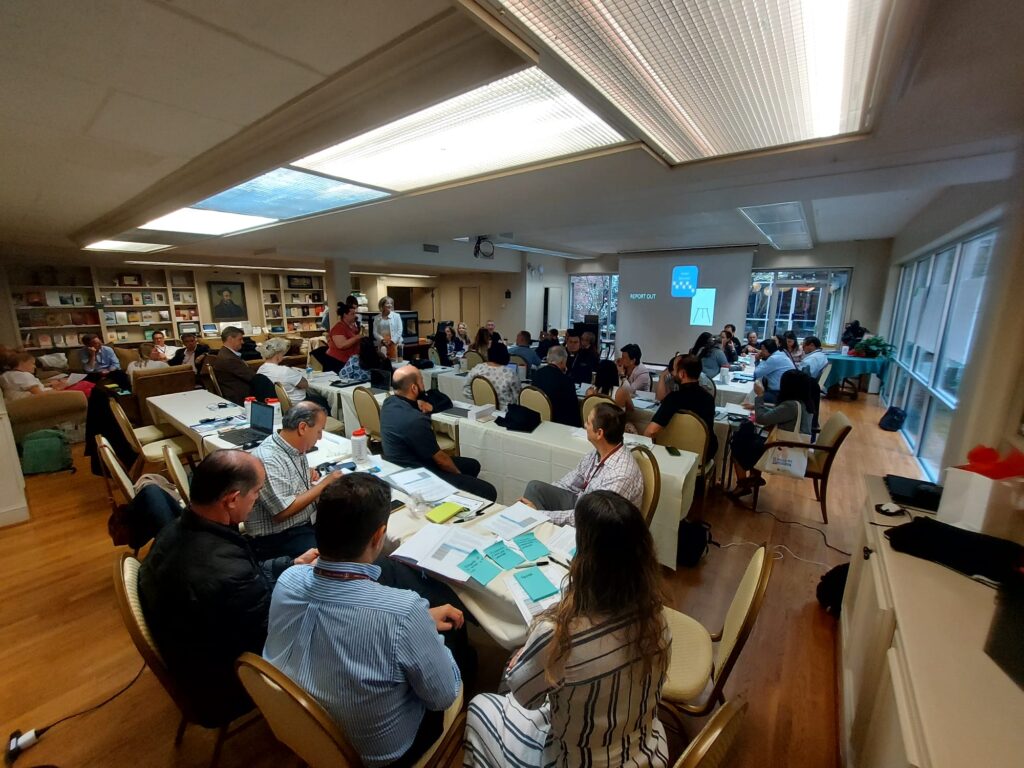
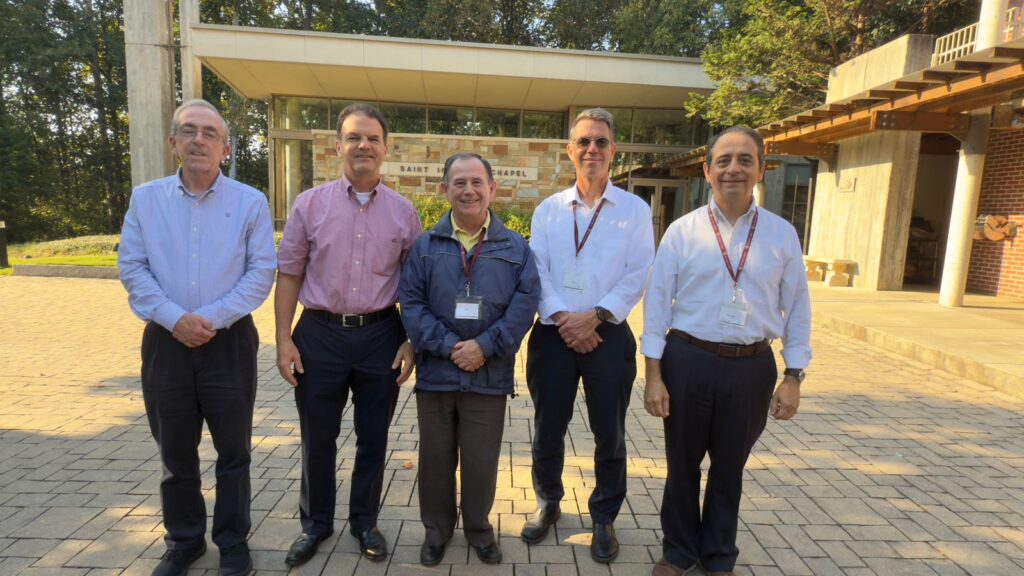
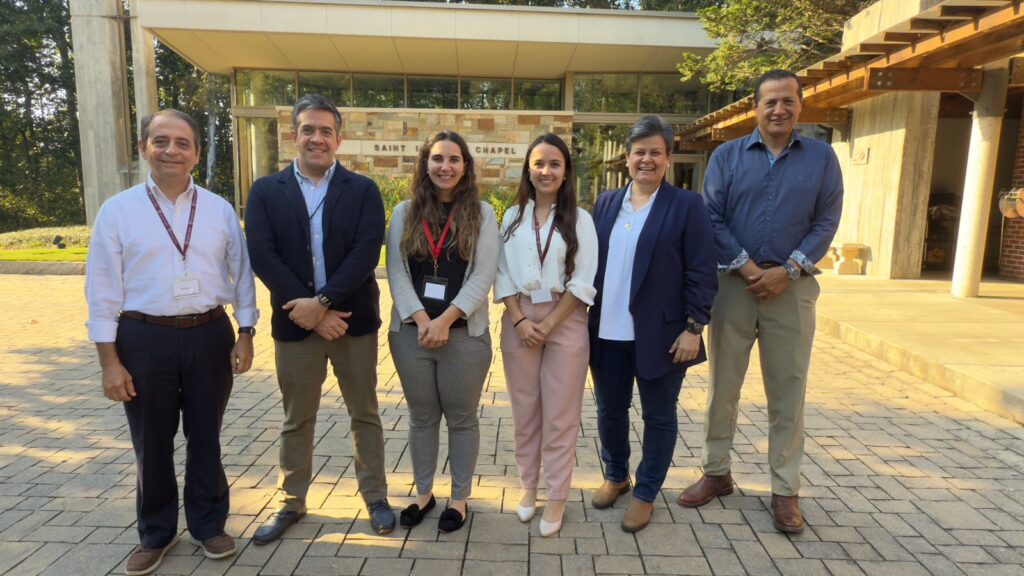
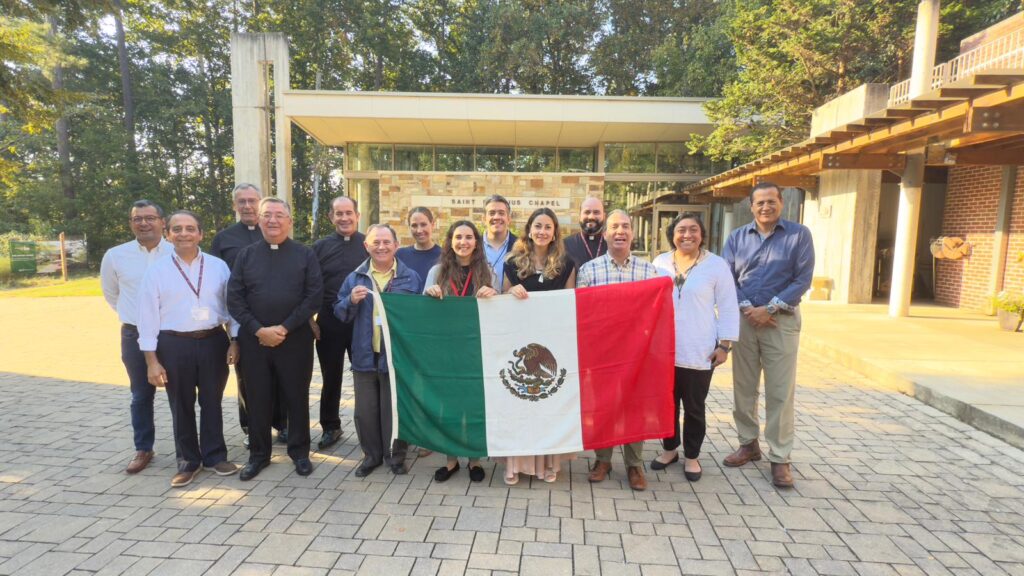
During the week of September 15–19, representatives from the three federated institutes of Regnum Christi gathered to participate in the Annual Safe Environments Meeting—an event focused on the person and their care, and on strengthening the development of a culture of safe environments.
The meeting brought together representatives from the three federated institutes of Regnum Christi: the Legionaries of Christ, the Consecrated Women, and the Lay Consecrated Men. This collaborative space, organized with the support of various areas of the Regnum Christi Federation, had as its primary focus placing the person at the center, with a holistic approach aimed at safeguarding their dignity and strengthening the development of an institutional culture committed to creating safe environments for all.
“The added value of this meeting is having the participation of all three federated institutes of Regnum Christi,” stated Catalina Gallego, Elena Bartolomé, and Jaime Pérez Guajardo—international directors of safe environments for the Legionaries of Christ, the Consecrated Women of Regnum Christi, and the Lay Consecrated Men of Regnum Christi, respectively—in a message sent to participants, highlighting the ongoing commitment and collaboration that characterize their efforts.
They added, “We are united by a common goal: to strengthen the culture of safe environments through reflection, shared learning, and coordinated action in response to the challenges currently facing the Church and our movement.”
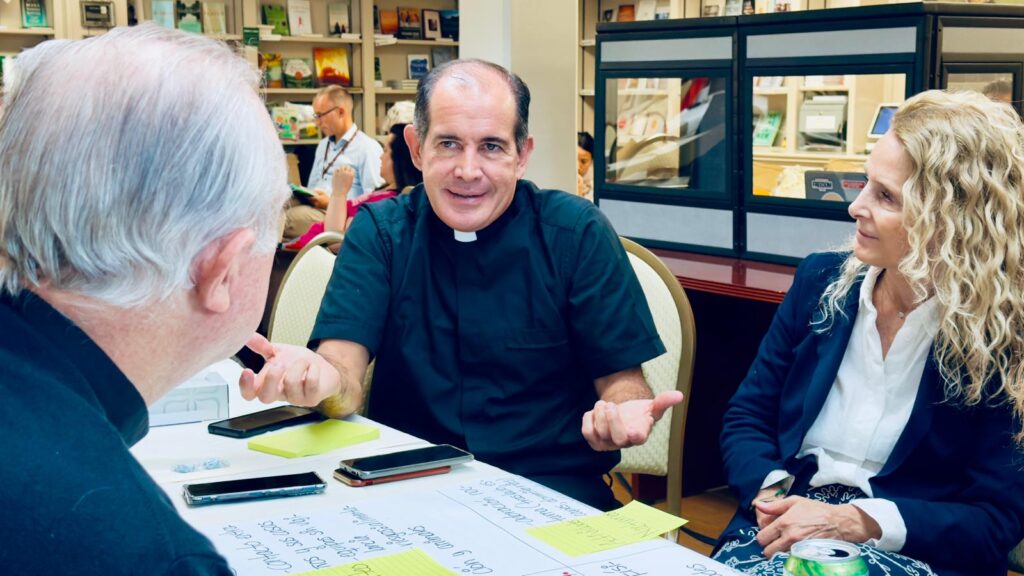
The activities were led by experts in strategic planning and team development, crisis management, case analysis, among other areas. Topics addressed included issues related to placing the person at the center of care and attention, shared vision and collaborative work, victim care and support, canon law—concepts and processes—, the healthy exercise of authority, and crisis communication.
Karl-Olaf Bergman, Safe Environment Coordinator for the Western and Central Europe Territory, emphasized that “the protection of children, young people, and vulnerable adults is only strong if it is conceived as something permanent—something that must become part of our identity. That’s why we speak of a culture of prevention… it must be as natural as a culture we have internalized.”
He added that there is a clear decision to continue down this path, with highly qualified individuals collaborating, working with heart and conviction. “Together, we can better face current and future challenges. The issue of ‘Safe Environments’ evolves alongside people, challenges, problems, and the hopes of our world, our society, and our Church—and we must stay very attentive to that,” he concluded.
Key Takeaways from the Meeting
- A firm commitment from the Federation, the federated institutes, Common Works, and their Safe Environment coordinators to continue on the path of prevention, protection, accompaniment, justice, and healing.
- Collaborative work, communion, and unity strengthen the capacity to face current and future challenges in the prevention of and response to abuse in all its forms.
- Listening is a fundamental factor that enables understanding and effective care.
- Prevention begins with caring for those who are most vulnerable.
- Justice and transparency, as well as proper processes, are essential.
- The topic of “Safe Environments” requires a holistic approach, always placing the person at the center, and must adapt to the changes in society, the Church, and the world.
- Coherence, professionalism, consistent work, and attention to detail build trust and credibility.
- This meeting not only reinforced the entire team’s commitment to creating safe environments, but also made it clear that prevention and care are a shared and ongoing responsibility, deeply rooted in their identity and mission.
About the Safe Environment Culture of the Legionaries of Christ
The Safe Environment Program of the Legionaries of Christ is part of a broad vision of a culture of prevention. It seeks not only to respond to situations of risk but also to promote healthy environments, sound relationships, and actions consistent with the principles of the Gospel.
Key Aspects of the Safe Environment Program
- A focus on the well-being of the most vulnerable in all pastoral and formative contexts.
- Training and implementation of international standards to promote safe environments.
- Acknowledgment of the harm caused and the pursuit of concrete paths toward healing and justice for victims.
- Publication of periodic reports to ensure accountability and institutional transparency.
Toward a Culture of Safe Environments
The establishment of a commission for outreach to victims of abuse on January 15, 2011, by Pontifical Delegate Velasio De Paolis, and the current Safe Environment platform of the Legionaries of Christ.
Historical Report 1941–2019
A report on cases of sexual abuse committed by members of the congregation from its founding until 2019—recognizing the truth, asking for forgiveness, and moving toward healing.
Annual Reports: “Truth, Justice, and Healing”
Annual publications since 2020 that provide accountability on the program’s progress, implemented measures, cases addressed, challenges faced, and lessons learned.
Commitments 2020–2026
The 2020 General Chapter established policies, protocols, preventive measures, and formation processes that support the development of a culture of safe environments within the congregation.
International Safe Environment Standards of the Legionaries of Christ
These are the set of requirements established to develop, in each country, practices and procedures aimed at preventing sexual abuse of minors and vulnerable persons, and to ensure immediate action in the event of a case.
🔗 For more information or to get in touch:
🌐 Official website of the Legionaries of Christ’s Safe Environment Program.