XIII Course on Exorcism and Liberation Prayer
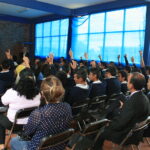
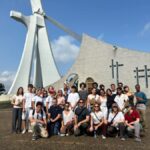
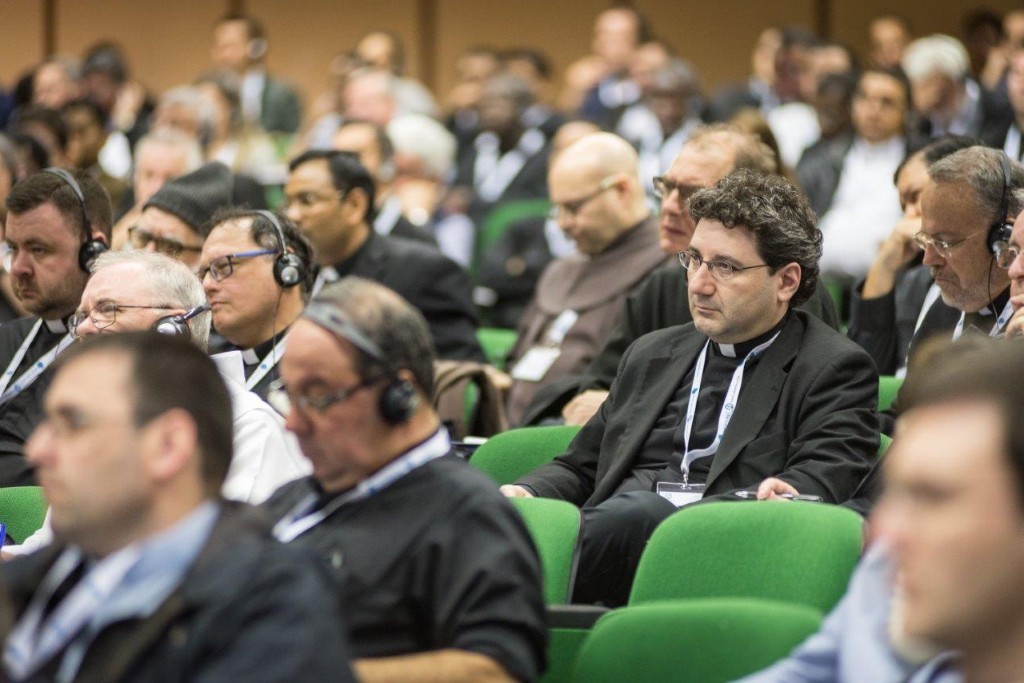
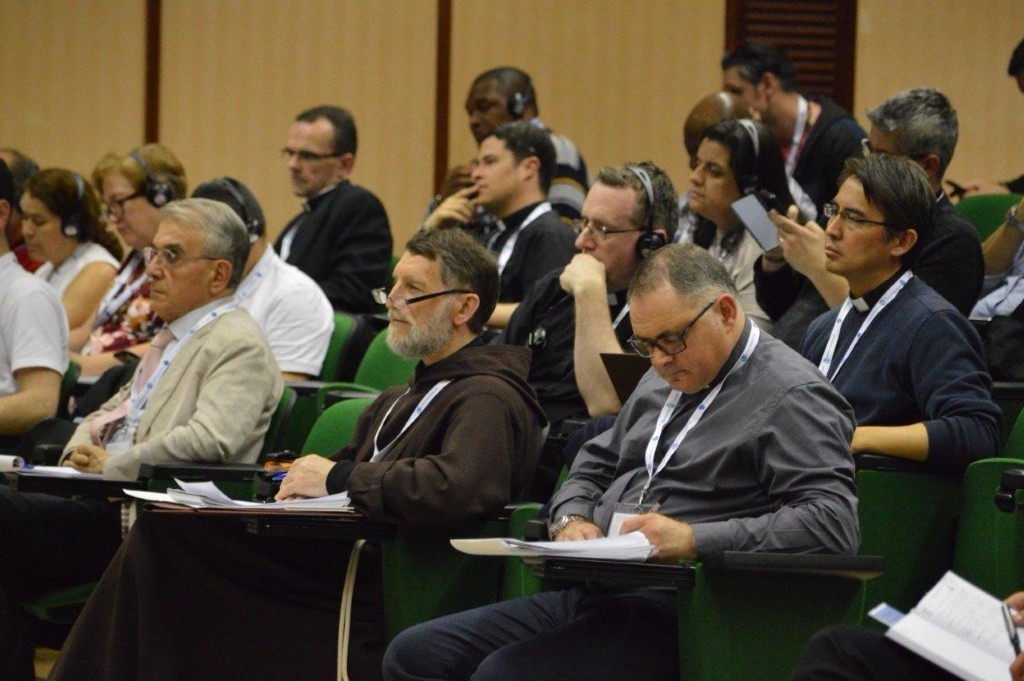 From April 16 to 21, the Sacerdos Institute of the Pontifical Ateneo Regina Apostolorum and the socio-religious research and information group (GRIS) organized the 13th edition of the course on the ministry of exorcism and liberation prayer, which is the first course in the world to propose an interdisciplinary academic investigation on this topic. In this edition, 258 people from 51 diverse countries participated, including 135 diocesan priests, 31 religious priests, 30 non-priest religious, and 62 laypeople (doctors, psychologists, psychiatrists, members of civil security).
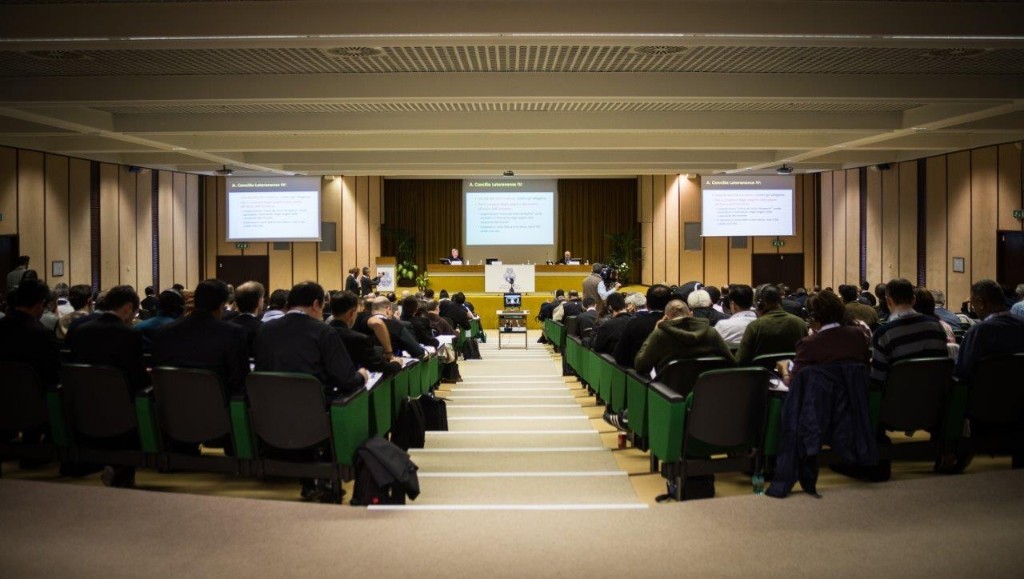 Father Luis Ramírez, LC, coordinator of the Sacerdos Institute, commented: “Our commitment is in the academic formation of priests and, in particular, in topics where serious and scientific research and reflection are lacking. The course was born 14 years ago to respond to those who wish to understand the best way to help people in need of spiritual healing.”
“Spiritual healing often involves identifying other illnesses: psychological disturbances, physiological issues, substance dependence, etc. Therefore, interdisciplinarity plays an important role in reflection since pastoral charity goes hand in hand with truth. Unfortunately, this argument of spiritual healing is often faced with superstition and sensationalism. The course aims to change this mentality and emphasize that victims of spiritual illnesses must be helped with all available resources,” added Father Luis Ramírez, LC.
 At the beginning of the course, Cardinal Ernest Simoni, who was imprisoned for 18 years during the communist regime and has been exercising the ministry of exorcism and liberation prayer for 60 years, shared his testimony with the participants and recalled the need to have a support team during exorcisms, the dependence on the bishop, the holiness of the exorcist priest, and the certainty that it is Jesus Christ who frees.
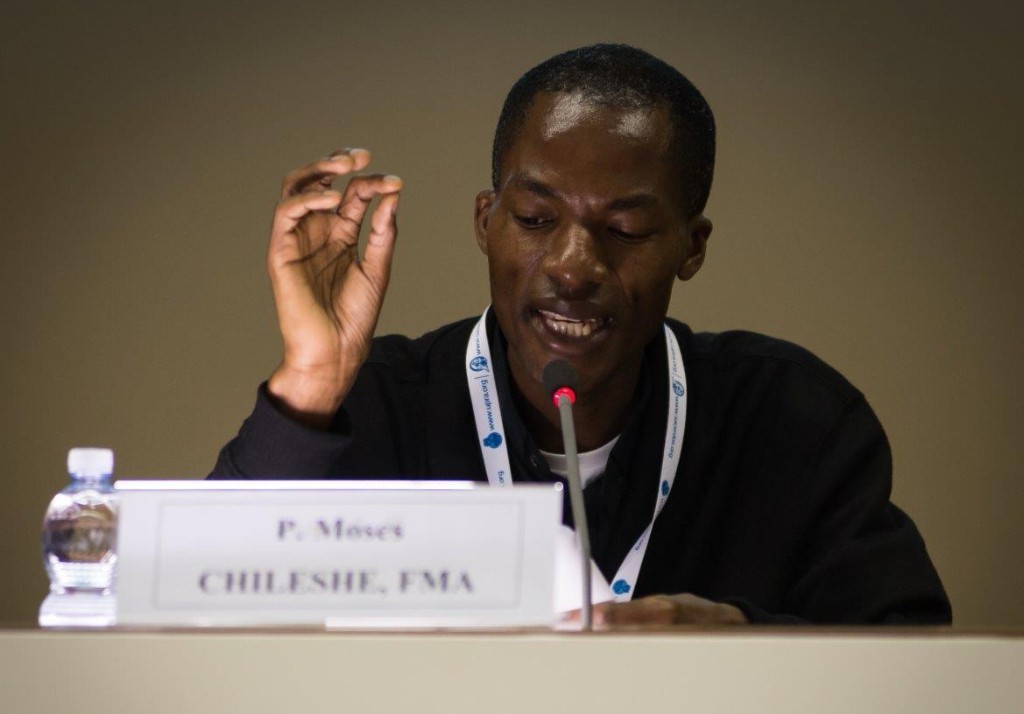
Some of the other speakers included: Father Moses Chileshe, who discussed the reality of witchcraft in Africa; Father Pedro Silva, who spoke about Afro-American cults in South America; Father Luis Santamaría, researcher of new sects in Europe, who presented the influence of religions and philosophies of Eastern occultism in Europe; finally, Don Fortunato di Noto addressed the topic of pedophilia and child pornography and their links to occult and satanic rites.
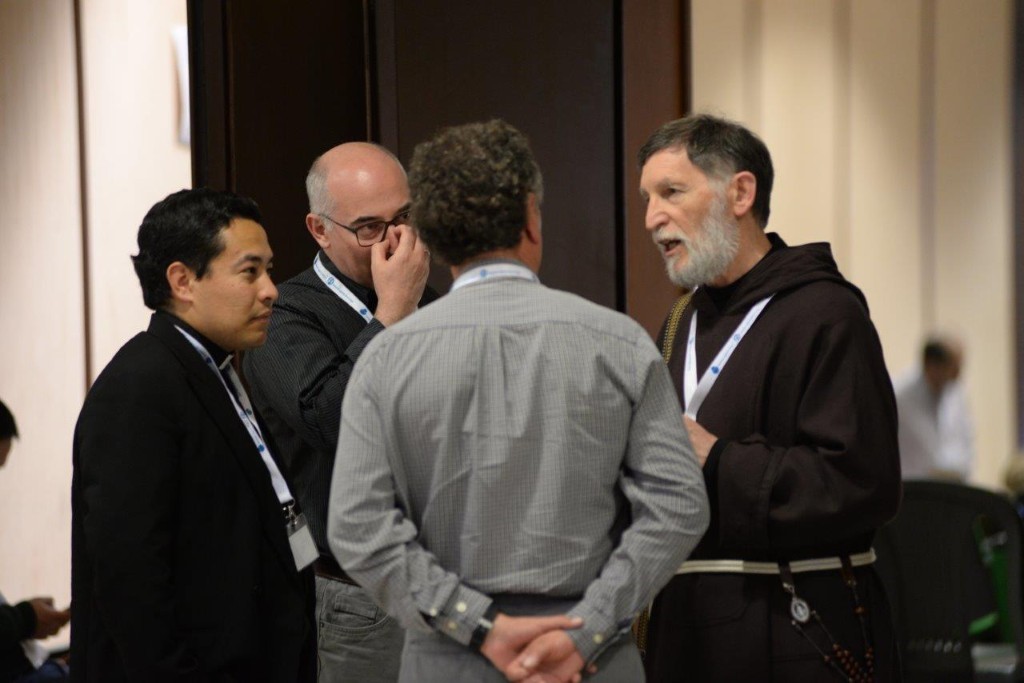 The course began with an introductory block on the theology of angels and demons, their biblical foundation, and pastoral aspects. It continued with canonical and liturgical guidelines. Subsequently, various anthropological, cultural, and geographical testimonies were discussed. There was also ample space given to psychological, psychiatric, and pharmacological aspects. In this section, researcher psychiatrist Fabrizio Schiffano presented, via videoconference from London, a study on the mental state of several people currently undergoing exorcism.
During the course, there was also a segment on data protection and criminological aspects concerning occult sects and satanic groups. On the last day, a roundtable was held with three exorcists and a non-exorcist priest who has been practicing liberation prayer for several years.