Day of friendship, prayer, and communion between the General Committee of Regnum Christi and the General Council of the Focolare Movement, on the updating of the Charisms in the face of contemporary challenges and on the evangelization of culture.
On November 26th, the General Committee of Regnum Christi met with the General Council of the Focolare Movement for a day of prayer and communion and to analyze together the lived experience of their respective charisms in the face of contemporary challenges and on the evangelization of culture.

“The updating of the Charism itself” – said the representatives of Regnum Christi and the Focolare Movement after the meeting between Movements and New Communities in Paray Le Monial (France), last February – “is a necessary, essential task. A commitment to respond to the challenges of contemporaneity.” Then the dialogue extended to encompass the urgency of identifying new and more effective approaches to culture, which today is experiencing continuous change. Both Movements have perceived these concerns with such intensity that it became necessary to dedicate an entire day to be together, share experiences, and ask for the Spirit’s special protection to identify the right directions to take.
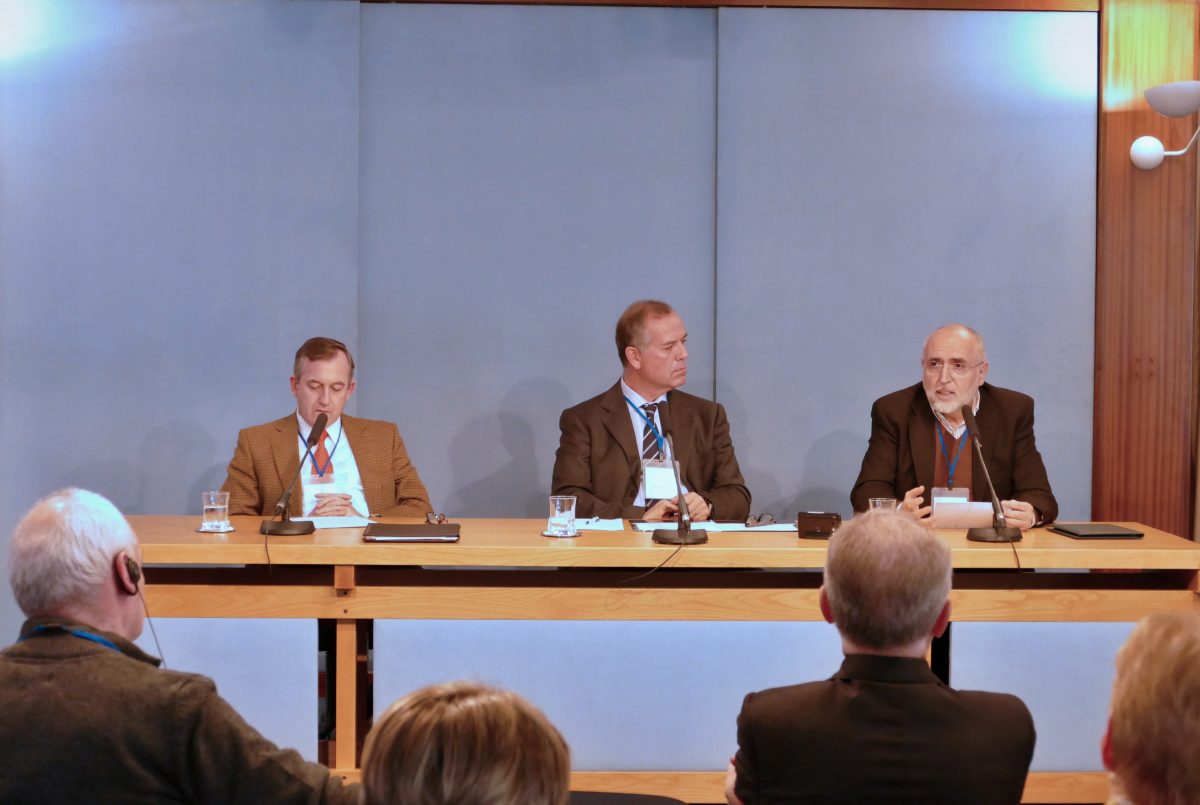
The intentions that led to the meeting on November 26th in Rocca di Papa (Rome), between 22 representatives of Regnum Christi and 29 of the Focolare Movement, were therefore neither the study of new strategies nor the intervention of experts. Simply the desire for an exchange among brothers, a communion from heart to heart in synodality, because the more we open ourselves to each other, the more the presence of the Spirit intensifies. A communion made of prayer, fraternal dialogues, communications, also offered as a gift. Mons. Vincenzo Zani, Secretary of the Congregation for Catholic Education, was entrusted with the main presentation. He, referencing magisterial texts, outlined a path of evangelization of culture based on the “mysticism of fraternity” (cf. E.G.) and on the transformative power of charisms. “Its co-essentiality with the Petrine charism” – he explained – “makes them capable of consolidating the Church’s invitation to a positive view of culture, since grace presupposes culture” (E.G.115).
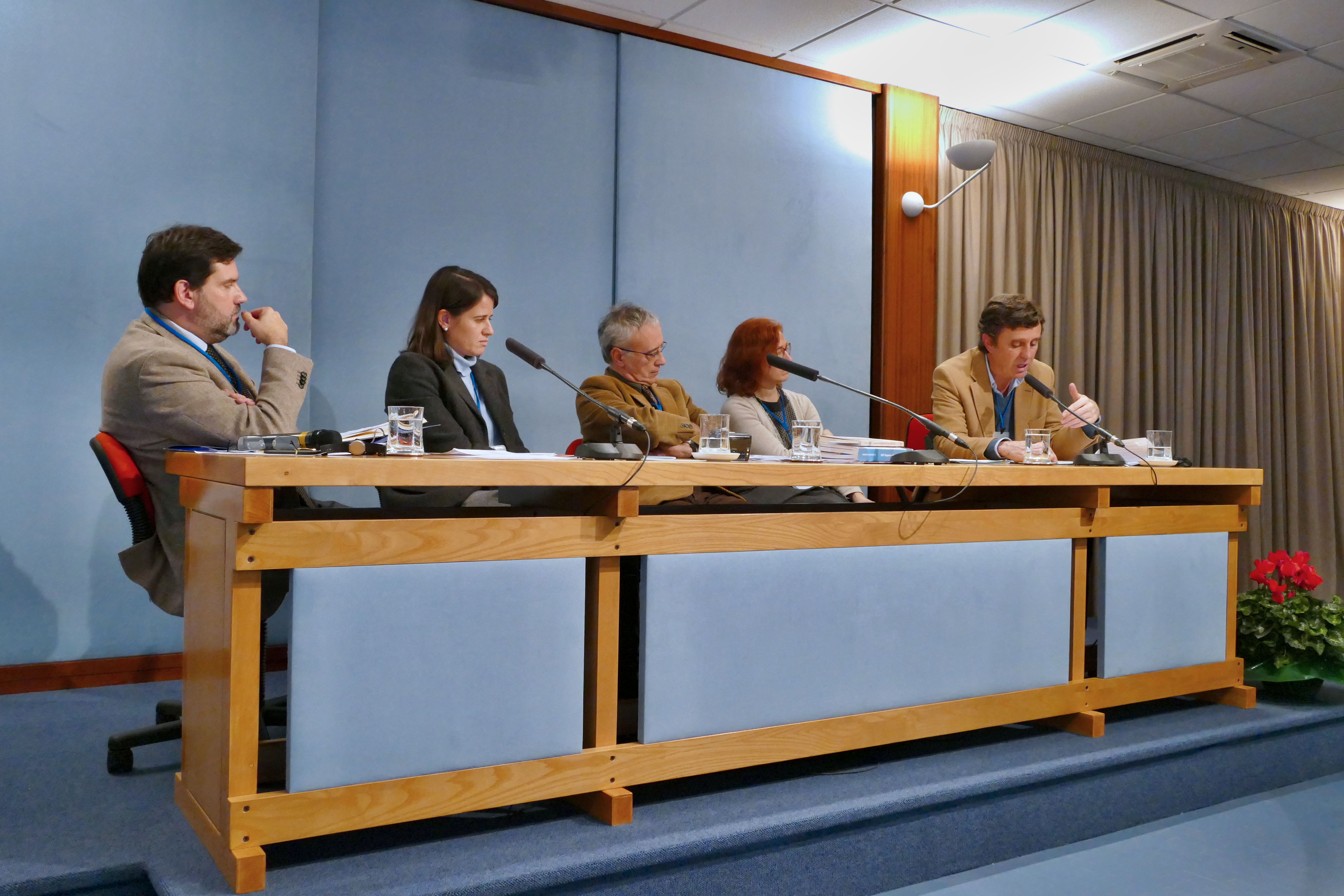
Other guiding points were the two interventions on the updating of the Charism. Jesús Morán, co-president of the Focolare Movement, spoke of “creative fidelity”: “The Spirit is always novelty and continues to make history.” It is necessary to be perfectly rooted in tradition, Morán insisted, but “we must be rooted in the present.” Jorge López, member of the General Committee and General Responsible for the consecrated laity of Regnum Christi, recalled that “the authorized subject for the updating of the Charism is the Church. And we are so as long as we are Church.” He then confided that, “paradoxically, it is precisely our poverty that makes us more capable of fulfilling our mission, according to the model of the Virgin.”
Interesting as well were the experiences of evangelization of culture: four projects – two presented by Regnum Christi and two by the Focolare Movement – responding to crucial challenges of today in the field of education. Two constant themes: working together by networking, and the relationship between culture and lived experience. The image presented by Marta Rodriguez, director of the Institute of Women (Pontifical Athenaeum Regina Apostolorum), was clear and effective: “The bridge between Christ Jesus and secularized culture is the heart of people. We must look at others from the heart of Christ, offering our lives to God.”
The dialogue continued also during lunch, thus increasing fraternal knowledge. At the end of the afternoon, a plenary exchange. Nothing prepared in advance. And perhaps precisely because of this, Someone was able to take the reins of direction, making the participants experience that “mysticism of fraternity” that Pope Francis speaks of in Evangelii Gaudium. Expressing himself in a punctual, essential way and with total openness, one after another approached the microphone. At that moment, even each person’s role was illuminated by what the Spirit had revealed up to that point.

It was impossible to distinguish who belonged to one Movement or the other. Probably this was what the first Christians experienced when they said they felt “one heart and one soul” (Acts 2:42-48). Everything belonged to everyone, with the gratitude and joy of a reciprocity that distilled the Gospel. Even questions and fears that hovered in the environment (how to educate in the digital age; how to keep identity and mission alive; etc.) found answers as the interventions progressed. They left confident and aware that the charisms are made for history, therefore also in their technological evolution, in a constant dialogue with the Eternal and fully open to those who do not have faith and hold different convictions. “Together” is the essential condition to “go out,” wherever God wills. Each one needs the other, allowing themselves to be surprised by Him.