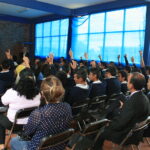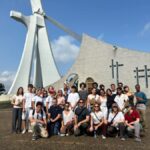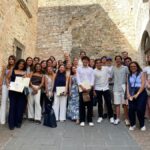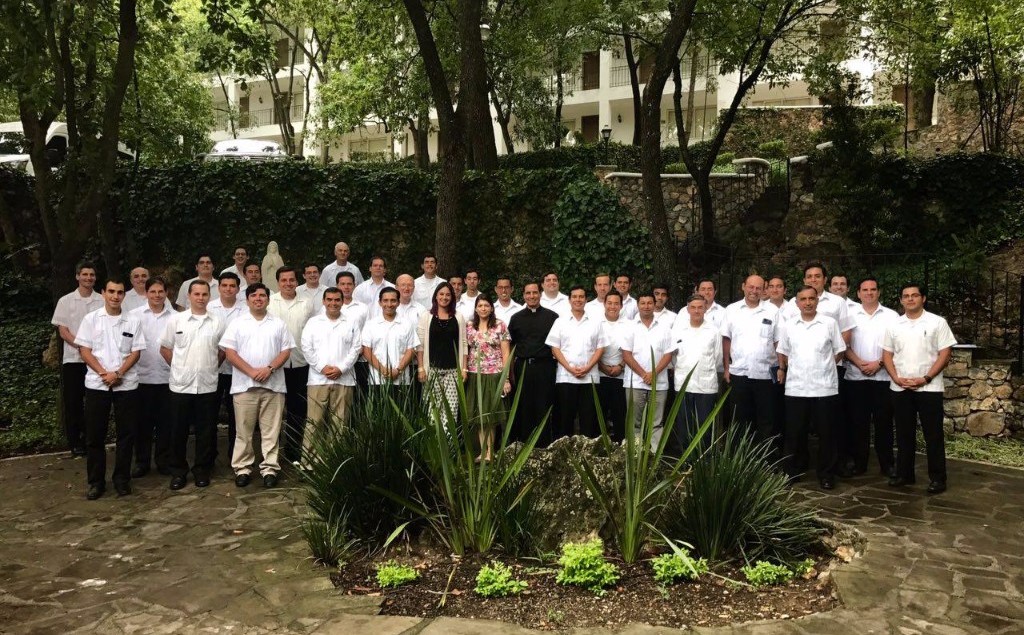
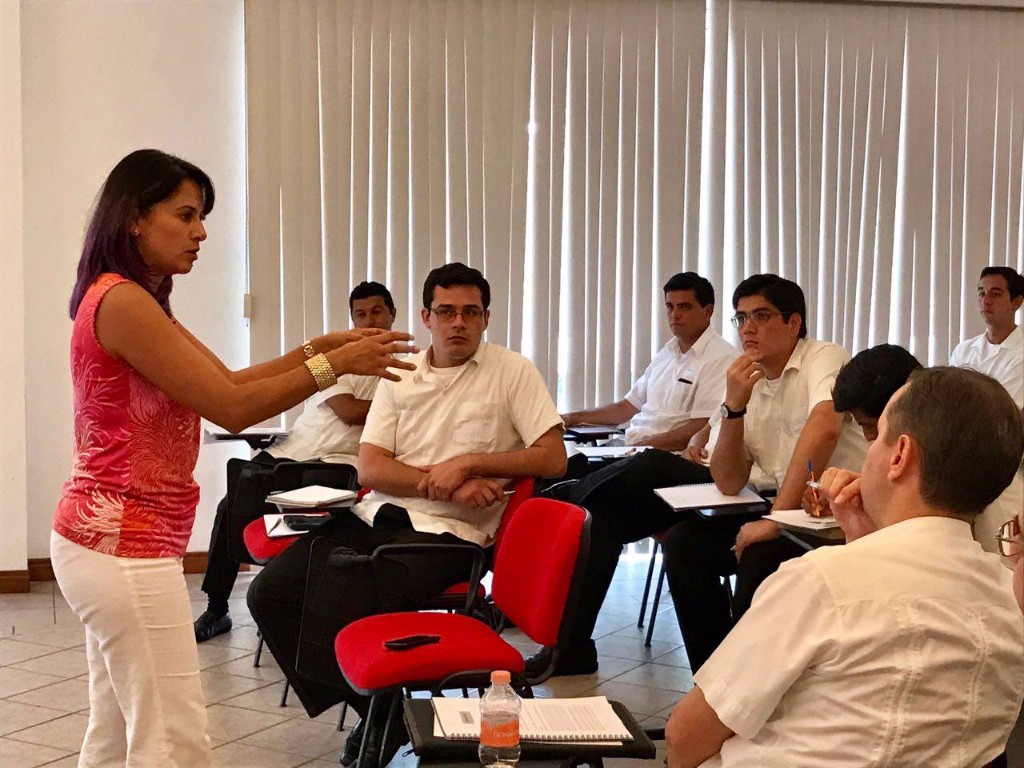
 From July 10 to 12, the Reparare Center organized a course for trainers of the vocational centers of the Legion of Christ at the Santa María de Chipinque retreat center. A group of 40 priests and religious working in vocational centers in Mexico, the United States, Brazil, Germany, and Spain participated.
During this meeting, Father Gerardo Flores, LC, responsible for the vocational centers section of the initial formation area, was present. The course is part of an initial module of a diploma designed by the psychology faculty of the Universidad Anáhuac México for vocational center trainers.
The course, which had the motto “Encounter with the person: towards a more integrative paradigm,” was taught by Rosa Zapién, a consecrated member of Regnum Christi and director of the Reparare Center, and Master Erika Juárez, professor at the Universidad Anáhuac Cancún and coordinator of the Academic Area of Reparare.
During the course, tools from systemic psychology and personalist integrative psychology were used to understand and illuminate personal and institutional training processes.
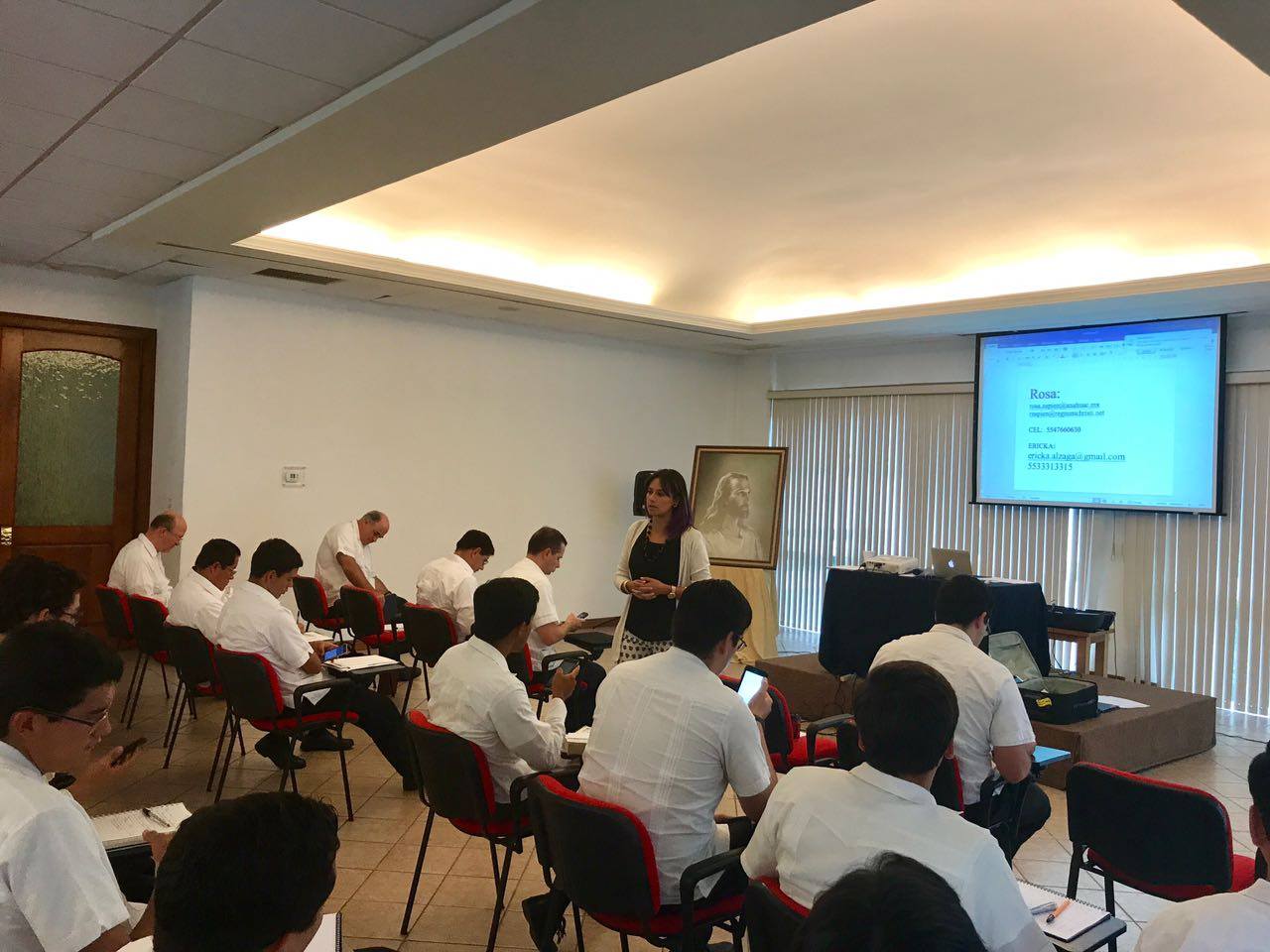 “Initially, I thought it would be more formal. It was truly a surprise to find that the dynamic was very different, mainly focused on self-knowledge, and then on our relationships with others from a personalist perspective, a direct approach with the person, where the person is effectively at the center. I believe that for us as trainers of vocational centers, this allows us to change paradigms, also in our approach to the people God has placed before us,” commented Mario Sandoval Quezada, LC, a religious currently working at the Ajusco vocational center.
Father Miguel Subirachs, LC, commented: “The workshop invited me to adopt an attitude to generate encounters and seek to be a true artisan in the formation of young people.” On his part, Father Ramón Loyola, LC, who works at the vocational center in Spain, said: “What I liked most was the fact that we have been invited and trained so that the interpersonal relationships we have as trainers, and with all the people we work with in the apostolate, are of greater impact, where you get to know the person, their feelings, their emotional world, and the interaction seeks to be deeper.”